
Shipbuilding
Shipbuilding is the construction of ships and floating vessels.

Fengyun Shi/ FBI · Public domain
Shipbuilding is the construction of ships and other floating vessels, typically carried out in a specialized facility known as a shipyard. The occupation of shipbuilders, also called shipwrights, traces its roots to before recorded history. Until the industrial revolution, a ship often represented the most advanced structure a society could produce, and key industrial advances—such as the sawing of timbers by mechanical saws propelled by windmills in Dutch shipyards during the first half of the 17th century—were developed to support shipbuilding.
- field
- Naval engineering, construction of ships and floating vessels
- known_for
- Building the most advanced structures of pre-industrial societies; development of key industrial advances such as mechanical sawing and mathematical approaches to hull design
Lore & Background
Much development beyond raft technology occurred in the Mediterranean and Maritime Southeast Asia, where warmer waters and inter-visible islands allowed the development of boats with water-tight hulls. Ancient Egyptian ships were built by joining hull planks edge to edge with tenons set in mortices, a 'shell first' technique; a similar technique with pinned tenons was used in classical antiquity. Northern Europe used clinker construction, while the Mediterranean used carvel construction; these traditions merged in the late 15th century, with carvel construction adopted in the North and the centre-line mounted rudder replacing the quarter rudder.
Reader's Guide
Shipbuilding has been central to human expansion and technological progress. The earliest known depictions of sailing boats date to the 6th–5th millennium BC in Mesopotamia, made from bundled reeds coated in bitumen. The Austronesian expansion, beginning c. Shipbuilding steadily improved with the introduction of iron for structural components from the mid-18th century, leading eventually to iron and steel ships. The field encompasses both commercial and military shipbuilding and repairs, known as naval engineering, while the dismantling of ships is called ship breaking.
Did You Know?
- Dutch shipyards in the first half of the 17th century used mechanical saws propelled by windmills to saw timbers for shipbuilding.
From Iron Works to Naval Powerhouse
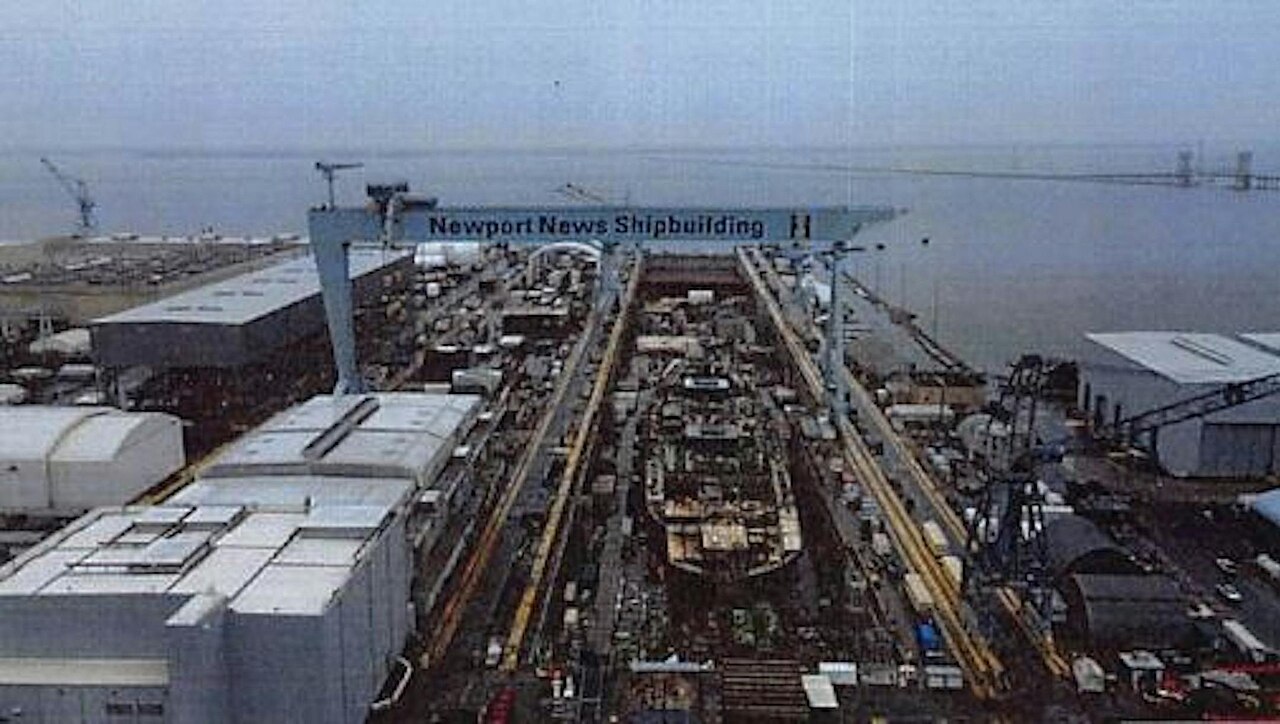
In 1871, a man named James Ramsden established what he called the Iron Shipbuilding Company in Barrow-in-Furness, England. The venture quickly shed that initial name, rebranding itself as the Barrow Shipbuilding Company, and set about constructing vessels that would define a region's industrial identity for generations. The yard's trajectory shifted dramatically in 1897 when Vickers & Sons acquired both the Barrow shipbuilding operation and its subsidiary, the Maxim Nordenfelt Guns and Ammunition Company. This dual acquisition fused ship construction with armaments manufacturing under a single corporate roof, and the combined entity was incorporated as Vickers, Sons and Maxim Limited. The Barrow facility itself was redesignated the Naval Construction & Armaments Company, a title that captured the yard's dual mandate of producing large naval warships and the weapons they would carry. From that point forward, the site became inseparable from Britain's maritime and military industrial heritage, a reputation that would endure through more than a century of corporate upheaval, nationalisation, and reinvention.
A Century of Name Changes and Ownership Shifts
The corporate identity of the Barrow yard underwent a remarkable series of transformations over the twentieth century. In 1911 the parent organisation simply became Vickers Limited, but the defining moment came in 1927 when a merger with Armstrong Whitworth created Vickers Armstrongs Limited. Armstrong Whitworth's own shipyard at High Walker on the River Tyne was absorbed into the group as the 'Naval Yard,' expanding the company's geographic and operational footprint. The shipbuilding division continued to shed and adopt names: Vickers Armstrongs Shipbuilders, Ltd in 1955, then Vickers Limited Shipbuilding Group by 1968. The most dramatic shift arrived in 1977, when the Aircraft and Shipbuilding Industries Act swept the yard into state ownership under the new British Shipbuilders conglomerate. Yet the public-sector experiment proved short-lived. In March 1986 the Barrow yard became the first British Shipbuilders facility to be returned to private hands, purchased by an employee-led consortium called VSEL. This entity also encompassed the Birkenhead-based subsidiary Cammell Laird, and by December 1986 the company had been floated on the London Stock Exchange, re-entering the world of public shareholders.
The Upside-Down Submarine and the Takeover War
By the late 1980s, VSEL's Barrow yard faced a crisis that would become almost legendary in British defence circles. In 1988, a combination of senior management error and evolving construction techniques led workers to weld a section of HMS Triumph, a nuclear submarine, in an inverted position. The blunder underscored the pressures of a company trying to modernise while maintaining the precision demanded by nuclear programmes. The following decade brought an even more turbulent challenge. In 1994, two major suitors emerged: GEC and British Aerospace both submitted takeover proposals for VSEL. The company, eager to shield itself from the volatile cycles of post-Cold War warship ordering—particularly after the Options for Change defence review—was open to merging with a larger partner. Both bids were referred to the Monopolies & Mergers Commission, which in May 1995 cleared BAe's offer but ruled, with two of its six members dissenting, that GEC's acquisition would likely run against the public interest. In a stunning political override, Secretary of State Michael Heseltine rejected the MMC's recommendation and permitted GEC's bid to proceed, sending VSEL into the GEC-Marconi division as Marconi Marine.
From Marconi to BAE: The Modern Inheritance
The GEC acquisition was merely the latest chapter in VSEL's long journey toward its present-day identity. When British Aerospace merged with GEC's defence arm, Marconi Electronic Systems, the resulting entity—BAE Systems—absorbed the Barrow yard into its marine division. In 2003, BAE Systems carved out its submarine construction work as a standalone unit called BAE Systems Submarines, separating it from the broader shipbuilding operations. A further rebranding in January 2007 produced the name BAE Systems Submarine Solutions, the title under which the Barrow yard continues to build Britain's nuclear submarines. Meanwhile, the armaments branch that had been inseparable from the shipyard since the Maxim Nordenfelt acquisition of 1897 now operates within BAE Systems Land & Armaments. What began as James Ramsden's modest Iron Shipbuilding Company in 1871 thus persists, in fragmented but recognisable form, as a cornerstone of the United Kingdom's defence industrial base, still rooted in the same Barrow-in-Furness dockside where it first launched its vessels more than a century and a half ago.
Gallery



Frequently Asked Questions
What is Shipbuilding?
Shipbuilding is the craft of designing and constructing ships and other floating vessels, typically carried out within a dedicated facility called a shipyard. It falls under the broader field of naval engineering.
How old is the Shipbuilding tradition?
The occupation of shipbuilders, traditionally called shipwrights, predates any written record, making it one of humanity's oldest continuous engineering practices.
Why was Shipbuilding considered the pinnacle of pre-industrial engineering?
Before the Industrial Revolution, a large vessel often represented the single most complex and technologically advanced structure a society was capable of producing, placing shipwrights at the forefront of applied engineering.
What industrial innovations did Shipbuilding help spark?
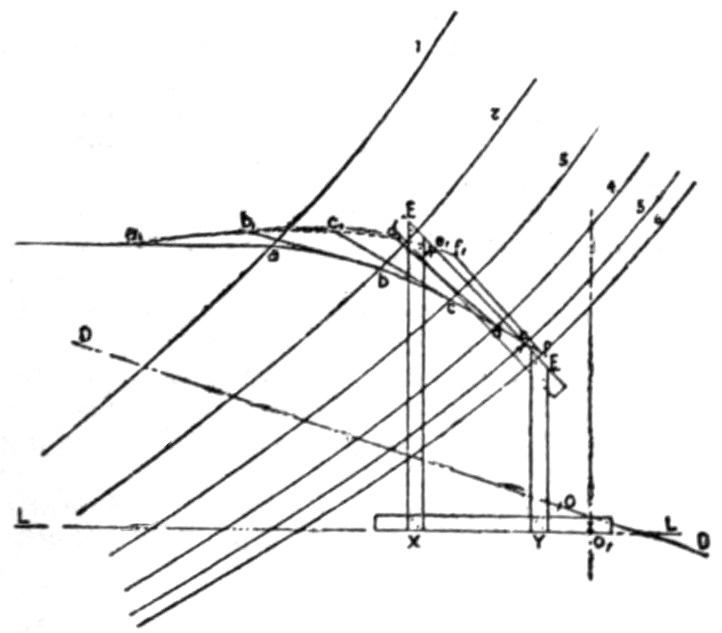
The demands of ship construction drove breakthroughs such as windmill-driven mechanical saws for cutting timber in Dutch yards during the early 1600s, as well as the early use of mathematical methods to calculate hull shapes.
Where does Shipbuilding fit within the Construction and Engineering series?
It is catalogued as entry 1-18 in the Construction and Engineering reference set, representing the naval-engineering branch focused on building seagoing and river-going vessels.
More in Construction And Engineering 1-18
Spotted an error? Know more?
This is a living reference — every entry is fact-audited, and reader corrections feed straight into our audit queue. Suggest an edit · See this site's audit record